When You SHOULD Use Auto Insurance (And When You Absolutely Should NOT)
Let’s get something straight. Auto insurance is not a loyalty program. It’s not a safety net you “earned.” And it’s definitely not your friend. It’s a catastrophic risk tool—and almost everyone uses it wrong.
⚠️ TRUTH BOMB
Auto insurance is not a loyalty program. It's not a safety net you "earned." And it's definitely not your friend.
When Insurance Makes Sense:
Here’s the short list. If any of these are true, insurance probably makes sense:
✓ Use Insurance When:
- Your vehicle is inoperable
- The damage is over $5,000
- There is structural or frame damage
- The accident involves multiple parties
- You are clearly not at fault AND your state explicitly guarantees no rate increase
That's it.
✗ Everything Else?
You need to do the math first—because the math is ugly.

The Math Nobody Shows You
Let’s say you file a claim for a $2,500 repair. You think: “That’s why I pay insurance.” Here’s what actually happens.
The $2,500 Repair That Costs You $5,320
Step 1: The Deductible
Typical deductible: $1,000
Your "covered" repair is now: $1,500
Already not amazing.
Step 2: Rate Increase (The Silent Killer)
Your insurance was: $180/month ($2,160/year)
After claim, it jumps to: $300/month ($3,600/year)
That's a $1,440 increase per year.
Now here's the part nobody tells you:
That increase is not temporary. It doesn't magically reset after a year. It doesn't care about your "good driving history." It stays until you fight your way out of it—or switch carriers.
The 3-Year Cost
$1,440 per year × 3 years = $4,320
Plus deductible: + $1,000
TOTAL: $5,320
You just paid over $5,000 to cover a $2,500 repair.
Congratulations. You lost twice.
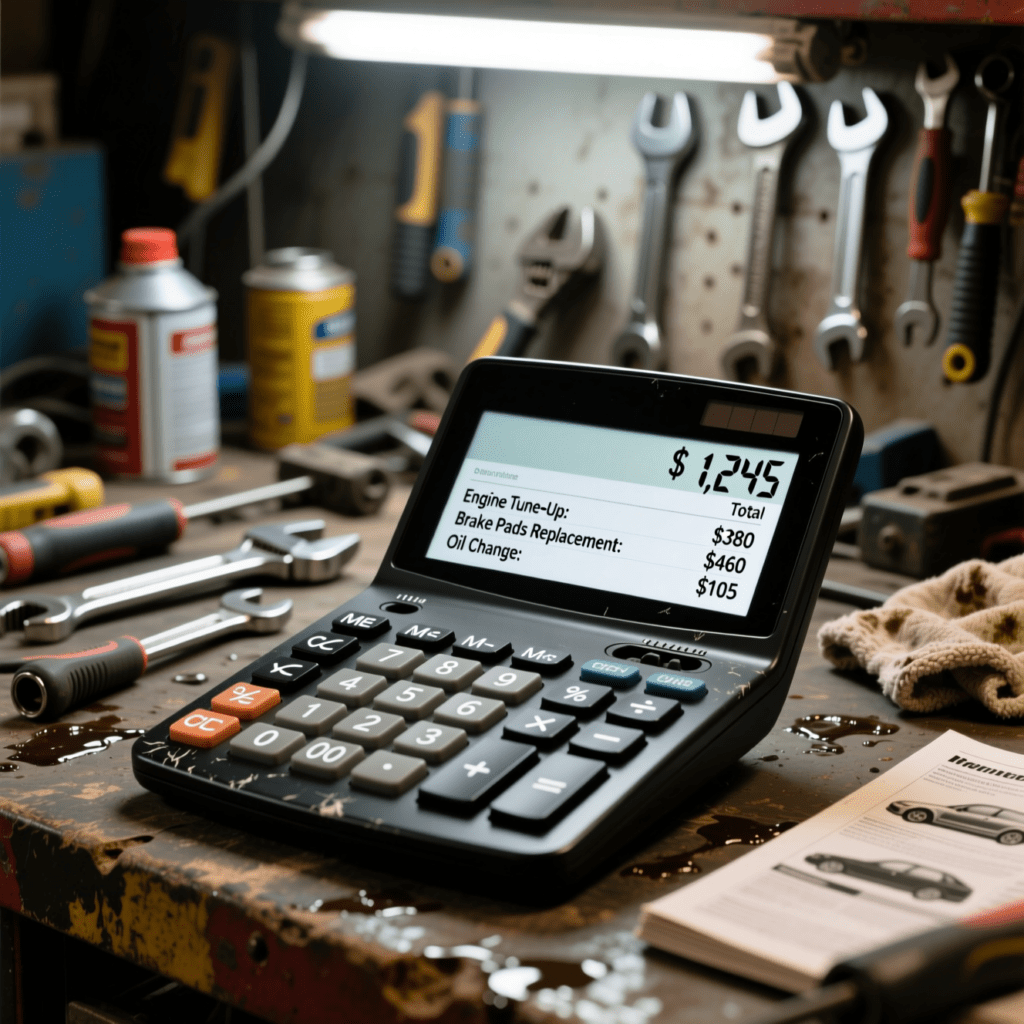
And That’s Before the Vehicle History Report
This is the hidden landmine. Once you file a claim, Carfax, AutoCheck, and dealer internal databases all flag your car.
⚠️ The Permanent Damage
Even a minor cosmetic claim can:
- Reduce resale value
- Kill trade-in offers
- Make private buyers suspicious
On higher-end vehicles: $2,000–$5,000+ loss at resale
So your "free" insurance repair actually cost you:
- Deductible
- Higher rates (for years)
- Permanent vehicle history damage
That's not protection. That's a tax.
This Isn't the 1990s Anymore
People love to say: “I’ve paid premiums for decades. I deserve to use it.” That logic died years ago.
📼 The 1990s
- Good behavior mattered
- One claim didn't follow you forever
- Rates stayed stable if you were "loyal"
📱 Today
Everyone's rates go up.
Even people with:
- No claims
- Perfect records
- Long histories
Unless your state explicitly says your rates won't rise—and you've confirmed it in writing—assume any claim increases your long-term cost.
Insurance companies don't reward loyalty. They price risk. And a claim = risk.
When Paying Out of Pocket Is the Smart Play
In the current market, customer-pay repairs almost always make more sense when:
💰 When Customer-Pay Makes Sense
Pay Out of Pocket When:
- The car is drivable
- Damage is cosmetic
- Repair is under ~$5,000
- No frame or suspension damage
- You care about resale value
Why? Because good independent shops can:
- Repair instead of replace
- Avoid unnecessary parts
- Finish work in days, not weeks
- Keep your vehicle history clean
And yes—this applies even if the accident wasn't your fault, unless the other party's insurance is handling everything cleanly and your carrier is untouched.
What Insurance Is REALLY For
✓ Insurance IS For:
- Total losses
- Major collisions
- Structural damage
- Situations where paying cash would be financially irresponsible
✗ Insurance is NOT For:
- Bumper scuffs
- Minor dents
- Scratches
- Cosmetic panel damage
Using insurance for small repairs is like using a chainsaw to cut butter. You can do it—but you'll regret it.
The Bottom Line
This Isn't Fear. It's Math.
If your car is twisted in half, use insurance.
If it's not, pause.
- Run the math
- Think long-term
- Protect your rates and your vehicle's value
Because once you file that claim, there's no undo button.
And math doesn't care how long you've been paying premiums.
📊 The Real Numbers
What a $2,500 claim actually costs
Resale value loss from claim history
✓ Use Insurance For:
- Vehicle inoperable
- Damage over $5,000
- Structural/frame damage
- Multiple party accidents
- Not-at-fault (w/ guarantee)
✗ Don't Use Insurance For:
- Bumper scuffs
- Minor dents
- Scratches
- Cosmetic damage
- Repairs under $5,000
💡 Smart Repair Quote
Get a customer-pay quote and compare it to your insurance math. You might be shocked.
Call for ConsultationExperience the DentCo Difference
Get your car back faster, repaired better, and often without paying a deductible. That's not just a good deal—that's a better system.